Wishlist

Quick answer: what a petite capsule wardrobe should do
A petite capsule wardrobe is a curated set of 25–30 well‑fitting, interchangeable pieces chosen to flatter shorter proportions and cover daily needs. It gives you outfit options without clutter: a small closet of tops, bottoms, one-to-two outer layers, three to four dresses, shoes that work across outfits, and a few accessories. The rest of this guide walks through choosing the right pieces, checking fit, mixing outfits, and adapting the capsule for seasons, travel, and work.
Decide your lifestyle needs and target size
Start by listing the activities you need clothes for: work, meetings, casual weekends, exercise, special events, travel. For each, write how many outfits per week you want available. That determines whether your capsule should be closer to 20 pieces (very compact) or 30 pieces (more variety).
Next, choose a target size for your capsule (for example, 25 items): count garments only—tops, bottoms, dresses, jackets—and exclude underwear, socks, and workout clothes if you plan to rotate those separately.
Pick a compact, consistent color palette
Limit your palette to 3 neutral colors and 1–2 accent colors. Neutrals provide the mixing foundation—think black, navy, charcoal, beige, or camel—and accents bring personality (teal, rust, soft pink). Choosing colors that read similarly in tone (warm or cool) makes everything more interchangeable.
Choose proportion‑friendly silhouettes
Petite proportions benefit from certain cuts that create length visually without overwhelming a smaller frame. Favor:
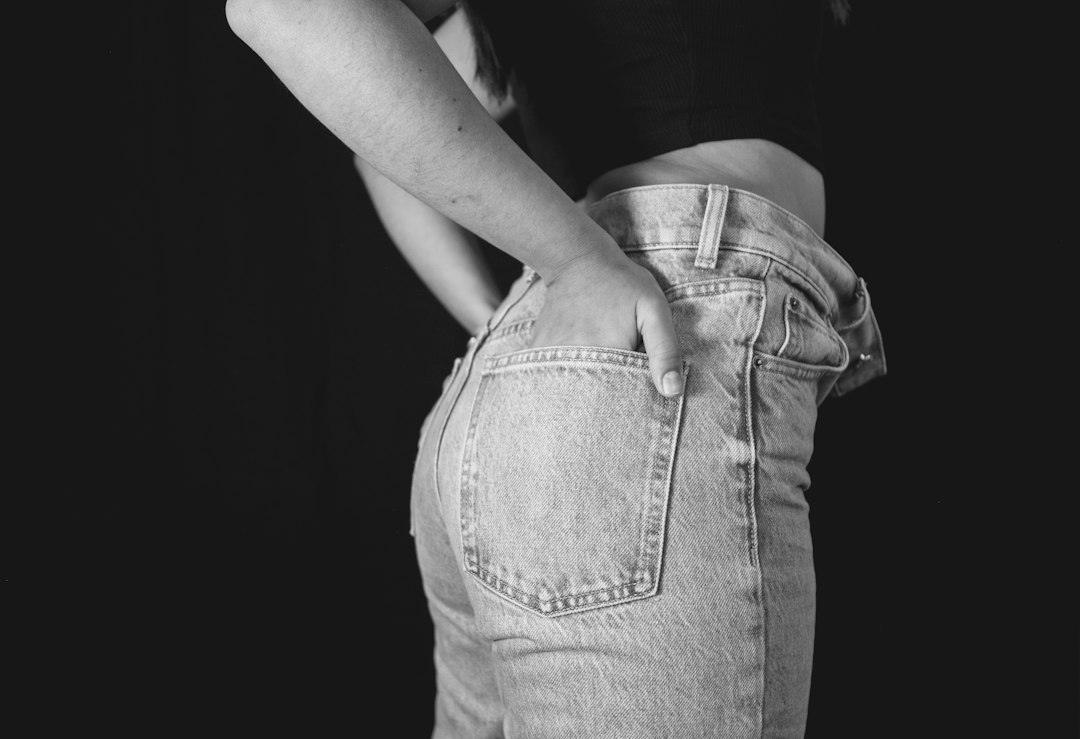
- High‑waist, straight or slightly tapered pants—shorten the rise visually and elongate the legs.
- Cropped or slightly fitted jackets that hit at or above the hip bone to avoid cutting the torso in half.
- Vertical details: pin‑tucks, single-breasted jackets, V‑necks and long cardigans that maintain a vertical line.
- Streamlined dresses in A‑line or wrap styles that define the waist; avoid oversized maxi volumes unless tailored.
Sample 25-piece petite capsule layout
This layout balances everyday needs and occasion flexibility. Adjust numbers to fit your life.
- 7 tops: 3 basic tees (neutral), 2 blouses (one accent), 1 lightweight knit, 1 fitted turtleneck
- 5 bottoms: 2 high‑waist jeans (dark + light), 1 tailored ankle pant, 1 skirt (midi pencil or A‑line), 1 casual short/denim short
- 4 dresses: 2 day-to-night wrap or sheath, 1 casual shirt dress, 1 seasonal dress
- 3 outer layers: cropped blazer, light trench or structured coat, long cardigan
- 3 pairs of shoes: comfortable low-heel pumps/loafers, clean white sneakers, ankle boots or sandals
- 3 accessories: slim belt, crossbody bag, scarf or minimalist jewelry
How to check fit quickly—trial pieces that matter most
When shopping, prioritize fit checks that affect perceived height:
- Waistline: high‑waist pants should sit at your natural waist without excess fabric above the band.
- Inseam and hem: pants that hit the ankle or just above are easiest to style; avoid long trailing hems unless you plan to hem.
- Jacket length: ensure the hem ends at or above the widest part of your hips.
- Shoulder fit: seams should sit at your shoulder edge—sagging or wide shoulders make tailoring harder.
- Proportion when belted: try dresses and waist-defining pieces with a belt to confirm balance.
If a piece is close but not perfect, tailor it—shortening pant hems, nipping in a waist, or taking up sleeves is usually inexpensive and yields big payoff for petites.
Mix-and-match outfit formulas that repeat well
Pairing rules make daily dressing fast. Use these repeatable formulas:
- High‑waist jeans + tucked tee + cropped blazer = casual elevated
- Pencil or midi A‑line skirt + blouse + loafers = office-ready
- Wrap dress + low heel = day-to-night
- Straight ankle pant + fitted knit + ankle boots = weekend smart
- Dress + long cardigan + belt = layered warmth without bulk
Seasonal switches, travel packing and small-closet hacks
For seasonal rotation, keep the capsule consistent: swap 4–6 pieces (light knitwear for coats, sandals for boots) rather than rebuilding the whole wardrobe. For travel, choose 7–10 core items that form 10–14 outfits by layering—stick to your capsule palette to avoid extra footwear.
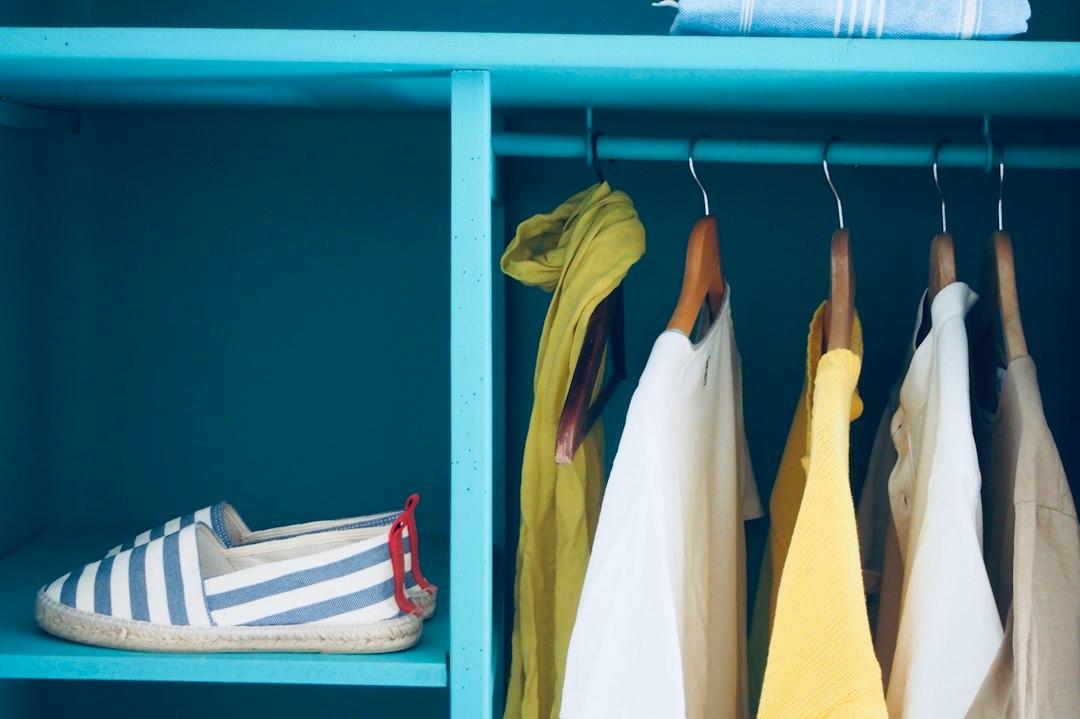
Small-closet hacks: hang similar items together, store off-season pieces in one bin, and use slim velvet hangers to reduce bulk. Clear drawer dividers make small items accessible and prevent overbuying.
One product recommendation to solve fit or layering needs
If you need a versatile lightweight jacket scaled for petites, consider a structured cropped blazer—it’s the easiest way to make tops and dresses look tailored. A top-ranked petite jacket in the store fits this need well.
Troubleshooting common petite capsule problems
Problem: Everything feels overwhelming despite few pieces. Solution: Reduce contrast between top and bottom (monochrome elongates) and simplify accessories.

Problem: Dresses overwhelm you. Solution: Choose shorter hemlines (above the knee or midi with a defined waist) and avoid too-much fabric around the hem.
Problem: Shoes look bulky. Solution: Favor low-profile soles, avoid ankle straps that cut the leg, and pick shoes in a color close to your pants or tights to lengthen the leg line.
When to refresh items and where to invest
Refresh basics every 12–18 months or when fabric collapses (tees, jeans). Invest in tailoring, one well-made blazer or coat, and durable shoes—these cost more but extend the capsule’s lifespan and keep proportions correct.
Further reading
For more on proportion and balancing looks, see our practical guide on how to dress for a petite frame.
- List weekly outfits you need and pick a capsule size (20–30 items).
- Choose a 3‑neutral + 1 accent palette for maximum interchangeability.
- Prioritize 2–3 bottoms and 3–4 tops you already love before buying new pieces.
- Try on jackets and pants for shoulder, waist and hem fit; plan tailoring if needed.
- Pack or rotate seasonally by swapping 4–6 pieces, not the whole capsule.
- Invest in one tailored blazer/coat and good shoes that match multiple outfits.
Keep the capsule small, consistent, and proportion-aware: choose a compact palette, prioritize high‑waist bottoms and cropped outer layers, and use repeatable outfit formulas. Tailoring and one quality jacket will make the entire capsule look intentional.
How many pieces should a petite capsule wardrobe have?
Most petites find 25 items (tops, bottoms, dresses, outerwear and shoes) balanced; choose 20 for a minimalist approach or 30 for more variety.
What should I prioritize buying first?
Start with two well‑fitting bottoms and three tops you wear frequently; these anchor outfits and guide later purchases.
Are alterations necessary for petites?
Often yes—hemming pants and shortening sleeves or taking in waists are common and affordable fixes that dramatically improve proportion.
Which shoe styles work best with petite proportions?
Low-profile loafers, sleek ankle boots, and nude or matching-tone shoes that don’t cut the ankle visually are generally the most flattering.
Can I create a petite capsule for travel?
Yes—select 7–10 core pieces from your capsule that layer well; pack shoes that work for walking and one dressier option to maximize outfit combinations.