Wishlist
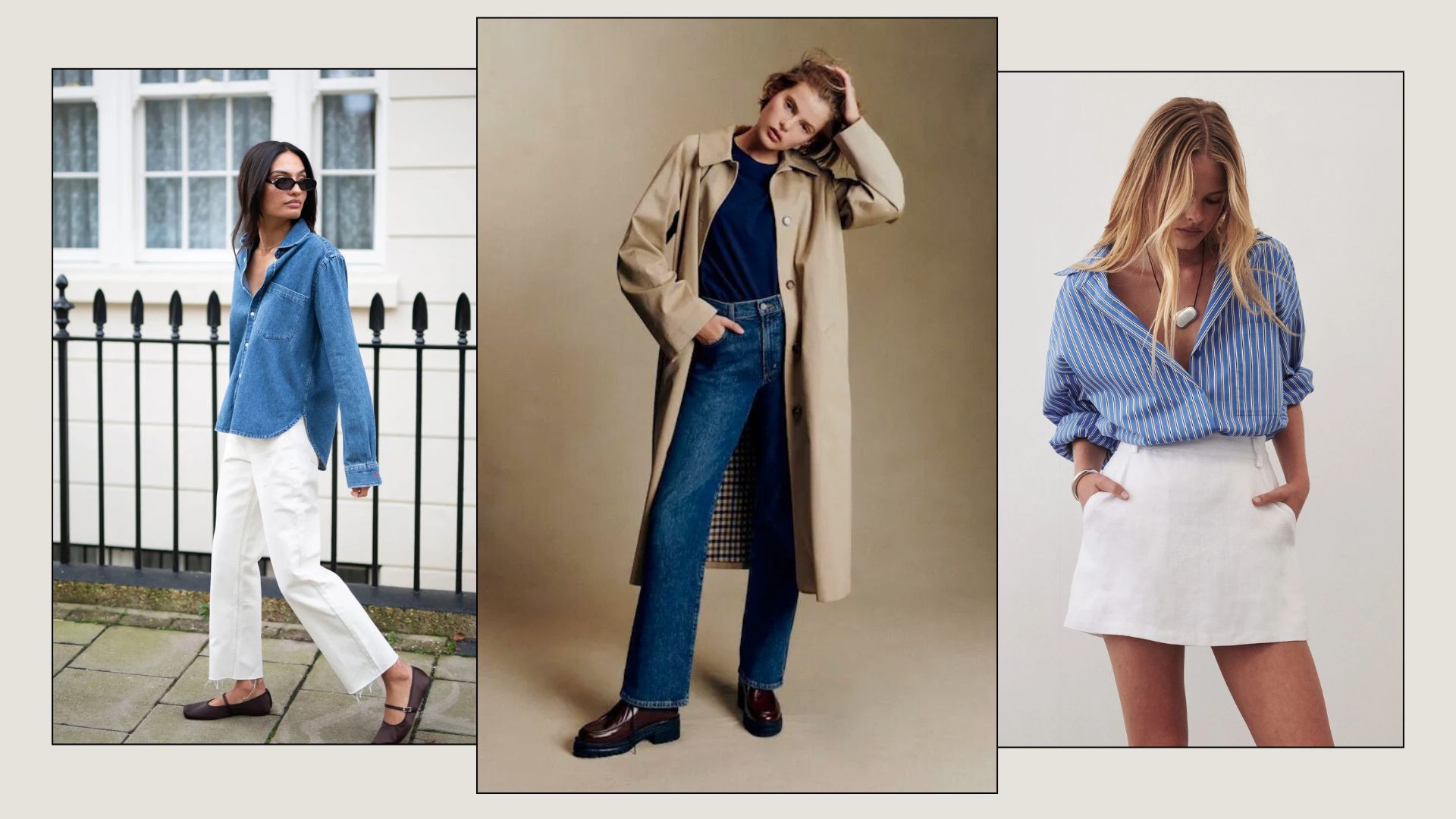
Start with the result you want: a streamlined wardrobe that visually lengthens without extra complexity
When your goal is to dress for a petite frame, the outcome isn’t a closet full of specialty items — it’s a set of easy-to-repeat outfits that create the impression of height through proportion, fit and simple choices. Below are the rules and small changes that produce that result fast.
Keep proportions in your favor: what to buy and why
The quickest win for petites is to prioritize vertical continuity and a clear waistline. Look for:
- High-rise pants and skirts: they raise your visual waist, lengthening the legs.
- Cropped jackets or jackets that hit at the natural waist: avoid long, boxy coats that swamp a shorter torso.
- V-necks and single-breasted tops: they open the chest and create a vertical line.
- Mono- or tonal outfits: less contrast between top and bottom keeps the eye moving up and down rather than stopping midline.
Example outfit formula: tuck a slim V-neck blouse into high-rise straight-leg jeans, add a cropped blazer, and finish with pointed-toe flats or low heels.
Fit over fashion: tailoring is the simplest trick that looks deliberate
Off-the-rack clothes rarely match a petite frame perfectly. Two small tailoring actions make most pieces wearable:
- Shorten sleeves and pant hems so they sit exactly where they should — not puddling or covering your hands.
- Tuck or nip jackets at the waist and adjust shoulder seams if they droop. A half-inch change in shoulder placement can make a jacket look custom-made.
Tailoring costs less than buying “petite” versions of everything and keeps your aesthetic cohesive. If you count items, plan for one reliable local tailor and a small tailoring fund.
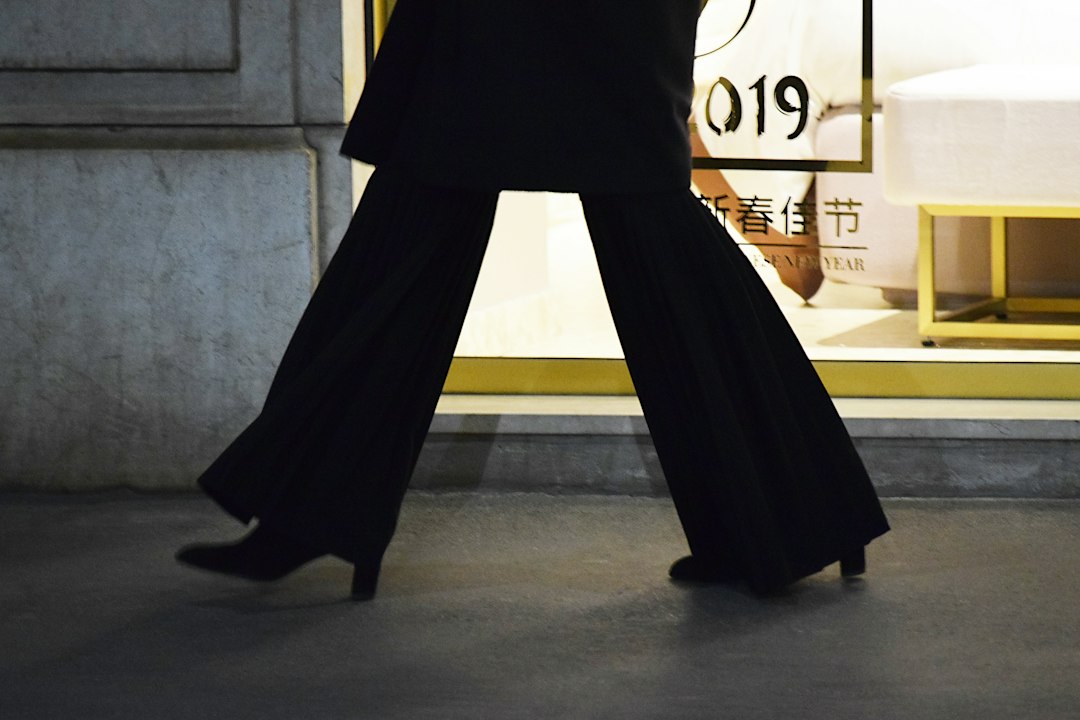
Choose hemlines and silhouettes that create length
Not every mini or maxi works. Use these simple rules:
- Skirts and dresses that hit just above the knee elongate without overwhelming; midi lengths can work if they’re narrow or worn with heels.
- A-line skirts that flare too wide shorten visually; prefer pencil or gently flared shapes.
- Wrap dresses and fitted sheath dresses define the waist and create a long vertical line.
When in doubt, try a garment with the shoes you plan to wear. Hemline appearance changes significantly with different footwear.
Shoes and accessories that subtly add height
Shoes are an easy lever to pull. Options that help without sacrificing comfort include:
- Pointed-toe flats and low heels — the narrower toe extends the line of the leg.
- Low-ankle boots with a small heel — avoid boots that cut off at the widest part of the calf.
- Nude or skin-tone shoes that match your legs — they lengthen the visual line when wearing skirts or cropped pants.
Keep belts thin and worn at the natural waist. Large belts or overly wide ankle straps can break the body line and shorten the look.
Capsule approach: choose five petite-friendly staples to build most outfits
Rather than many special pieces, own well-fitting staples that mix and match:
- High-rise slim or straight jeans in a dark wash
- Pencil skirt or knee-length skirt that hits above the knee
- Cropped blazer or structured small-shoulder jacket
- Fitted V-neck blouse or knit top that tucks easily
- Sensible pointed-toe flats or low-heeled ankle boots
With those five, you can make work-appropriate and casual looks and layer in color or prints sparingly.
Prints, stripes and patterns: how to use them without shrinking
Small-scale prints and vertical stripes are generally more flattering than large, busy patterns. Horizontal bands can work when they’re narrow and paired with a vertical element like a V-neck or longline cardigan. Use patterns as accent pieces rather than the outfit’s dominant feature.
One product that helps build the core wardrobe
If you need a single dress that’s versatile, choose a midi dress with a defined waist and a modest skirt flare — it wears day to evening and can be shortened by pairing with ankle boots or heels.
Troubleshooting common fit problems
- Jacket looks boxy: have the shoulders and waist taken in; avoid oversized styling.
- Pants feel long even after hemming: check the rise — a low-rise pant will never read as long-legged on a petite torso.
- Skirts make you look shorter: switch to a narrower silhouette or raise the hem a few centimeters.
Quick seasonal adaptations so you won’t overcomplicate
In warm months, prefer lightweight tailored shorts or skirts with a high waist and tuck tops in. In cold months, choose a single long coat worn open over a tonal outfit rather than many layered pieces that add bulk. One good coat in the correct length (knee or above) replaces several ill-fitting options.

- Try clothes on with the shoes you’ll wear most.
- Prioritize high-rise bottoms and cropped jackets.
- Allocate a small tailoring budget for sleeve/hem adjustments.
- Select 5 versatile staples that mix-and-match.
- Use narrow belts and pointed shoes to maintain vertical lines.
Make proportion and fit your guiding principles: invest in a few well-fitting staples, use tailoring to refine off-the-rack pieces, and favor visual continuity through tonal outfits and vertical lines. Those few decisions simplify dressing while flattering a petite frame.
Are petite sizes always necessary?
Not always. Many petites benefit more from tailoring standard sizes than buying everything labeled “petite.” Focus on rise, shoulder fit and hem length first.
What’s the best pant style for petites?
High-rise straight or slim cuts lengthen the leg; avoid very wide-leg trousers unless they’re cropped or hemmed to the right length.
How important are shoes for proportion?
Very. Pointed toes, nude tones and modest heels all help extend the leg visually without needing high platforms.
Should I avoid prints altogether?
No—use smaller-scale patterns and vertical motifs. Place prints on one piece rather than mixing large prints across the whole outfit.