Wishlist
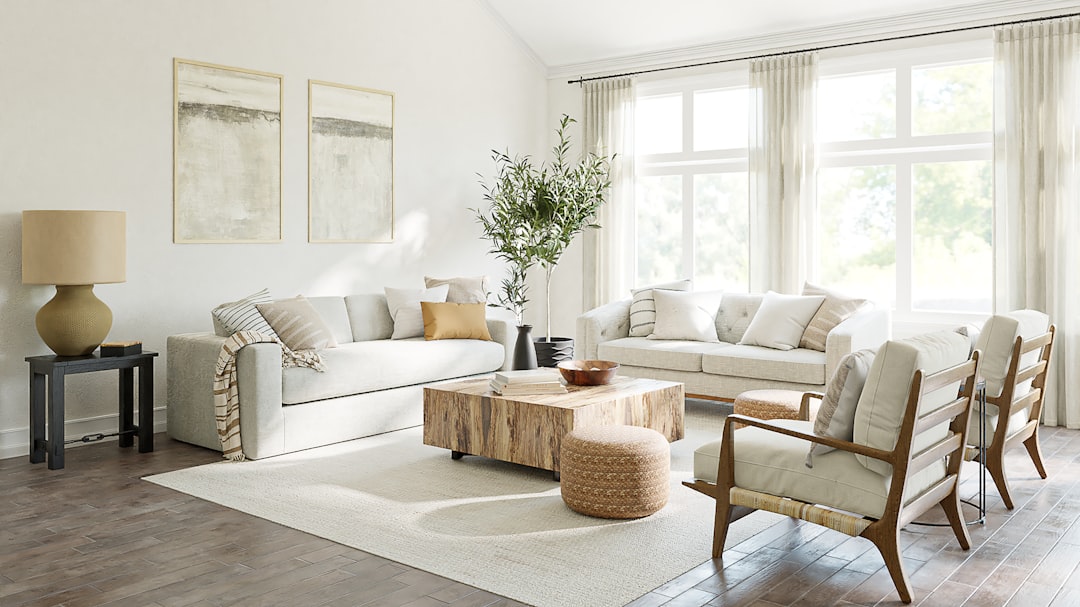
You’re sitting on a hand-me-down sofa, the throw is a faded knit, and the lamp casts a weak pool of light only over one corner—yet the room still looks tired, not elevated. Making a room feel more expensive doesn’t require a remodel; it’s about selective upgrades and disciplined styling. Below are practical, affordable moves that produce a cohesive, higher-end look fast.
Focus on light: layer for depth and warmth
Good lighting is the single fastest way to change perception. Add layers: ambient (overhead or bright floor lamp), task (reading lamp), and accent (small table lamp or directional uplight). Replace bare bulbs with soft white (2700–3000K) and use dimmers wherever possible—lower light reads as cozier and more intentional.
Practical tip: Move a floor lamp behind the sofa to create a halo of light; add a small table lamp on the opposite end for balance.
Upgrade textiles—focus on scale and texture
Swapping just a few textiles makes a disproportionate difference. Choose heavier, textured fabrics (velvet, linen, wool) for pillows, throws and curtains. Use an odd-numbered pillow arrangement on sofas (three or five) and pick one large cushion to dominate. A plush area rug that anchors all front legs of seating visually ties the room together.
When budget is tight: buy one substantial piece—like a velvet lumbar pillow or a wool throw—and pair it with existing items; that single quality texture elevates the rest.
[h3]Hang curtains high and wide[/h3]High-and-wide is the pro trick: hang rods 4–6 inches below the ceiling and extend beyond the window frame by 8–12 inches on each side. That makes windows—and the ceiling—look larger. Choose unpatterned panels in a material with some weight so they fall cleanly.
Control clutter and style small vignettes
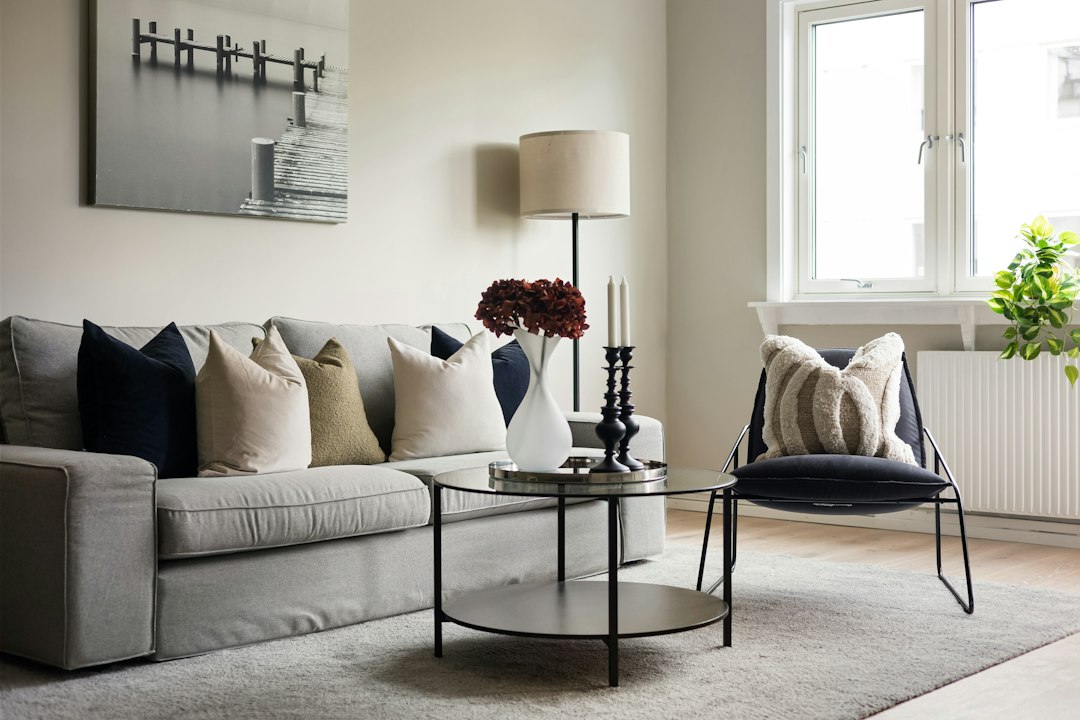
Expensive rooms feel intentional, not cluttered. Clear surfaces, then create 2–3 styled vignettes using groups of three objects of varying heights: a stack of 1–2 books, one sculptural object (like a ceramic vase), and a plant or candle. Leave negative space—don’t fill every inch.
On shelving, mix books horizontally and vertically and avoid matching everything; variation reads curated rather than store-bought.
Choose a restrained palette and repeat materials
Limiting colors to two main neutrals plus one accent creates calm and perceived quality. Repeat materials—brass, rattan, ceramic—across the room so accents feel intentional. If you pick a warm brass finish on a lamp, echo it in a picture frame or a bowl rather than scattering unrelated metals.
Invest in one statement piece
A single well-chosen focal item gives a room immediate presence: a large mirror, an oversized artwork, or an elegant area rug. Mirrors do double duty—reflect light and add perceived depth. Choose one statement and arrange other pieces to support it instead of competing with multiple “stars.”
Why this works: a trio of ceramic vases or a vintage-look vase adds texture, height and a sense of craftsmanship to a surface—an affordable way to achieve a curated, upscale effect.
Frame and hang art like a pro
Use consistent frames and matting to unify a gallery wall. Hang art so the center sits around eye level (about 57–60 inches from the floor) and keep spacing tight—2–3 inches—so the group reads as one composition. For large walls, one big canvas is often more sophisticated than many small, unrelated pieces.
Mind proportions and symmetry
Furniture and accessories should match scale: tiny lamps on big consoles look awkward. Create symmetry in main conversation areas (matching lamps on a console, two identical chairs flanking a fireplace) to convey formality and balance. For a modern feel, break symmetry carefully—mirror with two smaller matching objects rather than three different ones.
Small hardware and finish upgrades pay off
Replacing dated knobs, light switch plates, and outlet covers with unified finishes is low-cost but highly visible. On furniture, new drawer pulls or a re-stained side table refine the overall impression. Choose finishes that coordinate with your metal accents elsewhere in the room.

Use greenery and fresh flowers selectively
Plants add life, but cheap-looking plastic pots or wilting stems cheapen the effect. Choose a plant in a simple ceramic or woven basket and keep it healthy. Cut flowers grouped simply in a quality vase look more expensive than elaborate, overfilled arrangements.
- Identify one focal statement piece for the room.
- Choose a narrow palette of two neutrals plus one accent.
- Plan three lighting layers and add dimmers where possible.
- Replace or restyle textiles: rug, pillows, curtains.
- Declutter surfaces and create 2–3 balanced vignettes.
Making a room feel more expensive is about cohesion: consistent materials, layered light, and select upgrades that set a tone. Tackle the highest-impact items first—lighting, textiles and one statement piece—then refine finish details and styling.
What budget-friendly swap makes the biggest difference?
Switching textiles—a high-quality throw, a velvet pillow, or a new rug—usually gives the clearest upgrade for the least money.
How many lamps do I need for a living room?
Aim for three light sources: one ambient (overhead or large floor lamp) and two smaller lamps for task and accent zones to avoid flat lighting.
Should I match all metals and finishes?
Not strictly, but limit metal variety to two complementary finishes (for example, matte black and warm brass) to keep the look cohesive.
Is it better to buy one large artwork or many small pieces?
One large, well-placed artwork often looks more intentional and expensive; choose multiple pieces only if they form a cohesive gallery with consistent framing.
How do I make small rooms appear more luxurious?
Use light color on walls, hang curtains high, keep furniture scaled to the space, and use mirrors to add depth—each step increases perceived size and quality.