Wishlist
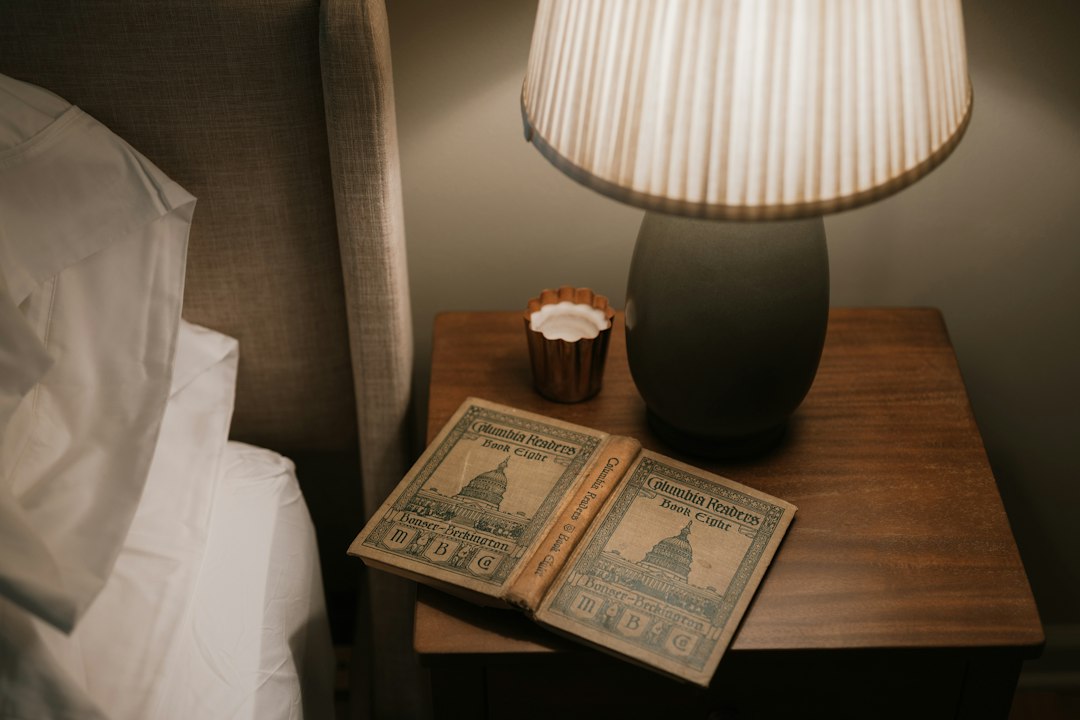
What a relaxing self-care routine looks like and why it works
A relaxing self-care routine at home is a short, repeatable set of actions that reduces stress, signals rest to your nervous system, and actually fits into your day. The goal is not perfection or long rituals; it's consistent moments that restore energy and calm. Below is a practical path to design a 15–45 minute routine you’ll keep doing.
Decide the result you want and the time you have
Start with two clear choices: the outcome (sleepier, less anxious, refreshed, skin care) and the slot (morning, after work, pre-bed). For most people a 20–30 minute evening routine yields measurable calm without requiring a schedule overhaul. Write this down: “I want a 25-minute pre-bed routine to sleep faster and feel less tense.” That single sentence guides all other decisions.
Set a small, dedicated space for it
Create one place where you do the routine so your brain learns the cue. It can be a bathroom counter, a chair in your bedroom, or a corner of the living room. Keep only the items you need there—lamp, diffuser, towel, skincare products, a notebook—and remove unrelated clutter. If space is shared, use a small basket or tray to store items that you put away when done.

Choose 3–5 reliable elements for the ritual
A good routine mixes sensory, movement and ritualized actions. Choose one from each category to build a compact flow.
- Sensory calm: dim lights, candle, low lamp, or a soft playlist.
- Movement or body: gentle stretching, a 5-minute face massage, or a warm shower/bath.
- Mind/mental reset: journaling, a gratitude list, guided breathing or a 5–10 minute guided meditation.
- Care action: a simple skincare step, hand/foot massage, or a quick manicure.
Example 25-minute routine: light candle (1 min), warm shower (8 min) with scalp massage (2 min), apply moisturizer and face massage (5 min), 7-minute guided breathing, 2-minute gratitude journal entry.
Pick tools that actually simplify, not complicate
Buy or gather only items that reduce friction. A diffuser or inexpensive candle, a microfiber towel, a small notebook and a pen, and one multi-purpose skincare product are frequently enough. If you want a small purchase suggestion to start a home beauty self-care habit, consider the top-ranked local option that suits quick refresh needs.
Use this product when your goal is an emergency refresh or a quick sensory lift as part of the routine; combine with a moisturizer or a bath to extend the effect.
Make a short checklist to follow—then shrink it
When starting, a checklist prevents decision fatigue. Keep it to five steps maximum and then trim anything you consistently skip. A simple checklist example:
- Turn on soft light/music, set a timer for the duration.
- Warm water shower or face-wash and massage.
- Apply one treatment (moisturizer, cuticle oil, or hair mask).
- Five-minute breathing or guided meditation.
- Write one sentence of gratitude or plan one pleasant thing for tomorrow.
How to fit the routine into a busy week
Use two modes: full and mini. Full is your 20–30 minute routine you do 3–4 times a week. Mini is a 3–7 minute version—breathing, moisturizer, and a five-item gratitude list—that you use on the busiest days. Scheduling tip: anchor your routine to an existing habit (after dinner, before teeth brushing). Set a timer so the end is predictable.
Simple variations for common goals
To sleep better
Focus on blue-light reduction, dim lighting, and a 10-minute body-scan meditation. Avoid heavy scents that keep you alert.
To lower anxiety
Add tactile elements: warm drink, weighted blanket for 5 minutes, or progressive muscle relaxation. Repeat a short breathing pattern (4-6-8) three times.
To feel refreshed and energized
Use a cool face splash, quick scalp stimulation, and a bright 5-minute playlist. Finish with a glass of water and a restorative stretch.
Troubleshooting: when routines fail and what to try next
- If you skip repeatedly: halve the time commitment and try the mini routine for two weeks.
- If you feel burdened: remove any “should” item and keep only sensory comfort and one care action.
- If the space is cluttered: use a small storage bin to hide items between uses; see tips on organizing the bathroom for a calmer setup.
When to change your routine
Adjust when your life schedule changes (new job hours, season) or if the routine stops producing the desired effect. Rotating one new element every 4–6 weeks keeps the habit fresh—try a different playlist, swap candle for diffuser, or replace journaling with a short podcast.
Small rituals that compound
Consistency builds the real benefit. Five minutes of nightly skin care plus two minutes of gratitude will affect sleep and mood more than an occasional two-hour spa day. Aim to make the habit non-negotiable by anchoring it to routines you already keep.
- Choose one clear outcome and a time slot (e.g., 25-minute pre-bed).
- Create a small dedicated spot and remove unrelated clutter.
- Pick 3–5 elements: sensory, movement, mental reset, care action.
- Assemble only the tools you will use regularly.
- Start with a 20–30 minute full routine plus a 3–7 minute mini version.
A relaxing self-care routine is most successful when it’s short, anchored to an existing habit, and performed in a small, tidy space with a few reliable tools. Focus on consistency—use a mini version on busy days and a fuller ritual when you can.
How long should a beginner’s self-care routine be?
Start with 15–20 minutes for a full routine and create a 3–7 minute mini version for busy days; consistency matters more than length.
Can I use the same routine in the morning and evening?
Yes, but tailor elements: mornings often benefit from energizing steps (cold splash, stretch), evenings from calming ones (dim light, breathing).
What if I don’t have a dedicated bathroom or bedroom corner?
Create a portable tray or basket you can set up and store quickly; even a single drawer with a small lamp and notebook works.
Are expensive products necessary for a relaxing routine?
No—simplicity and ritual matter more than price. One multi-use product and a candle or diffuser are enough to start.
How do I keep the routine from becoming another task?
Limit steps to things that feel restorative, not chores; if a step feels like work, remove it or make it optional.