Wishlist

What matters — and what you can ignore
Want your home to feel organized without living like a minimalist? Focus on visibility, accessible homes for items, and quick-reset habits. Ignore the pressure to purge every sentimental thing or buy an entire matching set of containers. Small, targeted changes deliver the biggest daily payoff.Make your home organized with 15 practical moves
1. Create one “drop zone” for each entry
Designate a spot for keys, bags, shoes and mail near each door. A narrow table or bench with a small tray and hooks reduces countertop clutter and stops items from migrating through the house.2. Use clear bins where you need to find things fast
Transparent, stackable bins let you see contents at a glance—great for seasonal items, kids’ toys, or office supplies. Label lids for stacks so the visible advantage stays useful when bins are piled.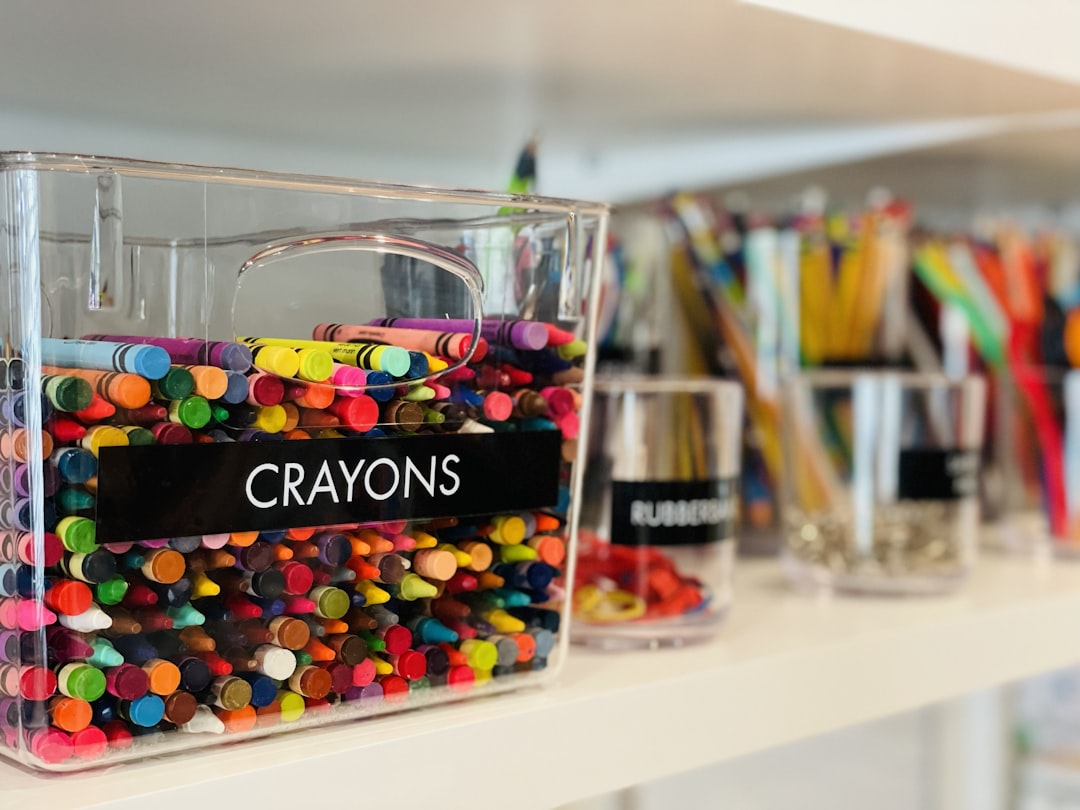
3. Add a nightly 5‑minute reset routine
Set a timer and put away outliers: stray mugs, chargers, or clothing. Five focused minutes before bed keeps surfaces calm and makes mornings easier.4. Choose one surface per room to keep mostly clear
Pick a counter or table to keep intentionally minimal (for example, a kitchen island or living-room coffee table). That single tidy spot gives the room a cleaner feel even if drawers are full.5. Divide drawers with simple organizers
Drawer dividers make small items behave. Use bamboo or plastic trays to separate utensils, electronics, or personal care items so everything has a consistent location.6. Make small storage a visible habit—shoe baskets, cord bags, mail trays
Containment beats scattered piles. A basket by the door for shoes, a zip pouch for charging cords, and a slim mail tray for incoming items reduce visual chaos without major effort.7. Keep frequently used items within arm’s reach
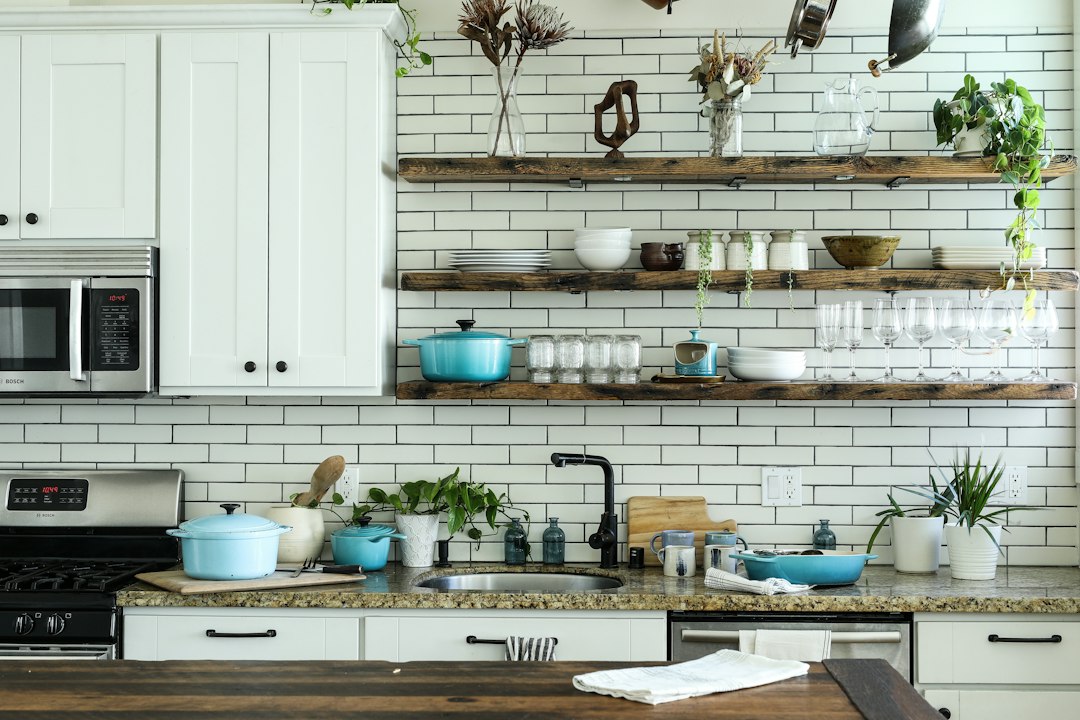
Organize shelves so daily items—coffee, keys, jackets—are at eye level. Reserve higher shelves for things used quarterly or seasonally.8. Use uniform containers only where it helps
Matching jars in the pantry look tidy, but uniformity matters most where you look often. In closets and basements, prioritize durability and stackability over perfect aesthetic matching.9. Batch similar tasks and tools together
Keep all pet supplies in one bin, all repair tools in another, and all office stationery in a single drawer. When a task starts, you won’t scatter tools around the house.10. Embrace vertical space
Install hooks, slim shelving, or over‑door organizers to free floor and counter space. Vertical solutions are inexpensive and especially useful in small rooms.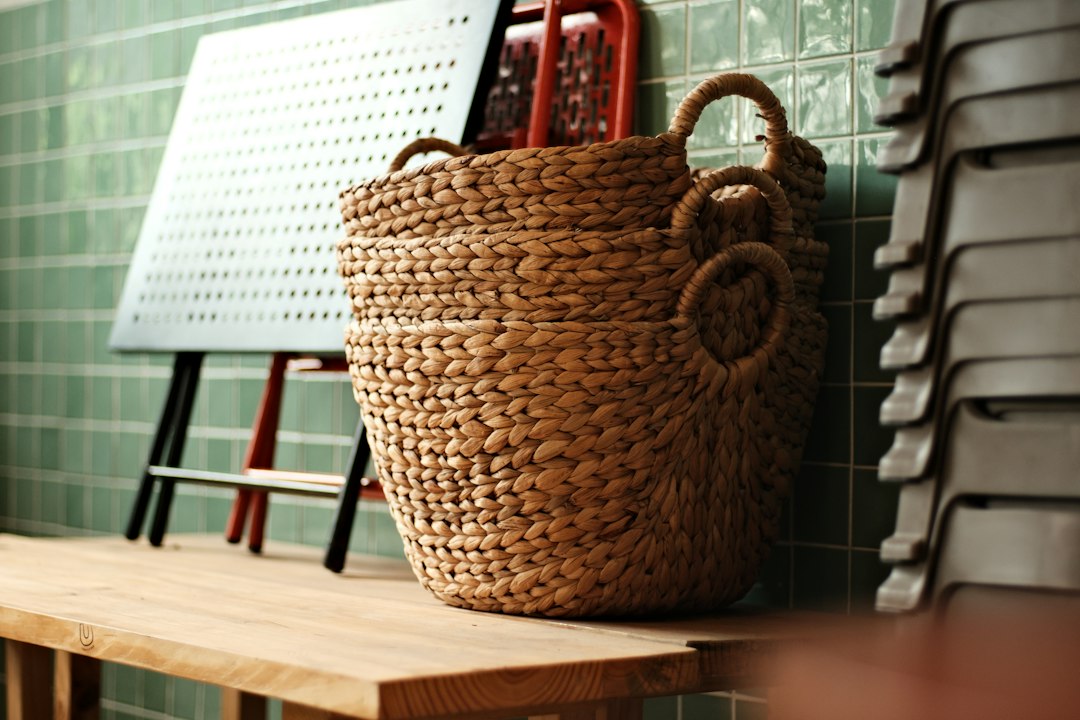
11. Make labels do the remembering
Labels remove indecision—handwritten tape is fine. Label shelves, bins and baskets so everyone in the household knows where to return things.12. Keep a “maybe” box for decision fatigue
If you’re unsure about items during decluttering, place them in a sealed box with a date. If you haven’t missed anything after 90 days, the box becomes donation-ready. This prevents rebound clutter.13. Adopt a one‑in, one‑out rule for special categories
For items that tend to accumulate—books, decorative objects, or kitchen gadgets—remove one when you add one. It’s a simple guardrail that prevents slow creep.14. Use baskets and bins that match the use-case, not just the style
Wicker baskets look cozy for blankets but aren’t great for damp towels; plastic or ventilated bins suit laundry and basements. Match materials to how items behave—breathability, weight, and visibility matter.15. Make a single strategic purchase that solves the most friction
Rather than buying many small things, choose one product that addresses your biggest pain point—clear bins for a chaotic storage closet or a set of drawer organizers for junk drawers. Use the Tiawudi clear storage bins if you need high-visibility, stackable containers for seasonal items, toys, or pantry overflow; they straightforwardly reduce search time and surface clutter.Quick decisions to move forward
Pick one room and apply three changes: a drop zone, one clear container, and a nightly 5‑minute reset. That small trio creates visible momentum and makes the next project easier.Before you start
- Identify the single area that causes the most daily frustration.
- Measure one shelf or drawer before buying organizers.
- Choose one visible surface to keep clear this week.
- Set a recurring 5‑minute nightly reminder.
Practical takeaway
Making your home feel more organized is less about radical change and more about targeted fixes: visible storage, a place for daily items, and short habits that prevent re‑clutter. Start with one friction point and one purchase that solves it.
Frequently asked questions
How often should I declutter?
Small, regular sessions work best—10–20 minutes weekly or one focused hour every month keeps items from piling up and reduces decision fatigue.
What’s the best way to organize a small closet?
Use slim hangers, clear or labeled bins on shelves, and vertical hooks; group outfits by use (work, casual) to simplify choices and reduce visual clutter.
Are matching containers necessary?
No. Matching helps visuals but prioritize functionality—clear bins for visibility, breathable baskets for linens, and sturdy boxes for heavy items.
How do I get others in my household to help?
Make systems simple (one bin per person), label locations, and assign one clear daily or weekly task so responsibility is finite and obvious.