Wishlist
It’s 7:40 a.m. and you’ve just realized you have a mid-morning offsite, a quick overnight trip after work, and a scheduled client call during your commute. You want to step out the door with confidence—no frantic returns for forgotten chargers, no laundry-day wardrobe surprises, no last-minute scavenging for a toothbrush. An everyday essentials kit solves that: a single, compact collection of items chosen to cover common work, travel and daily-life needs.
What the finished everyday essentials kit looks like
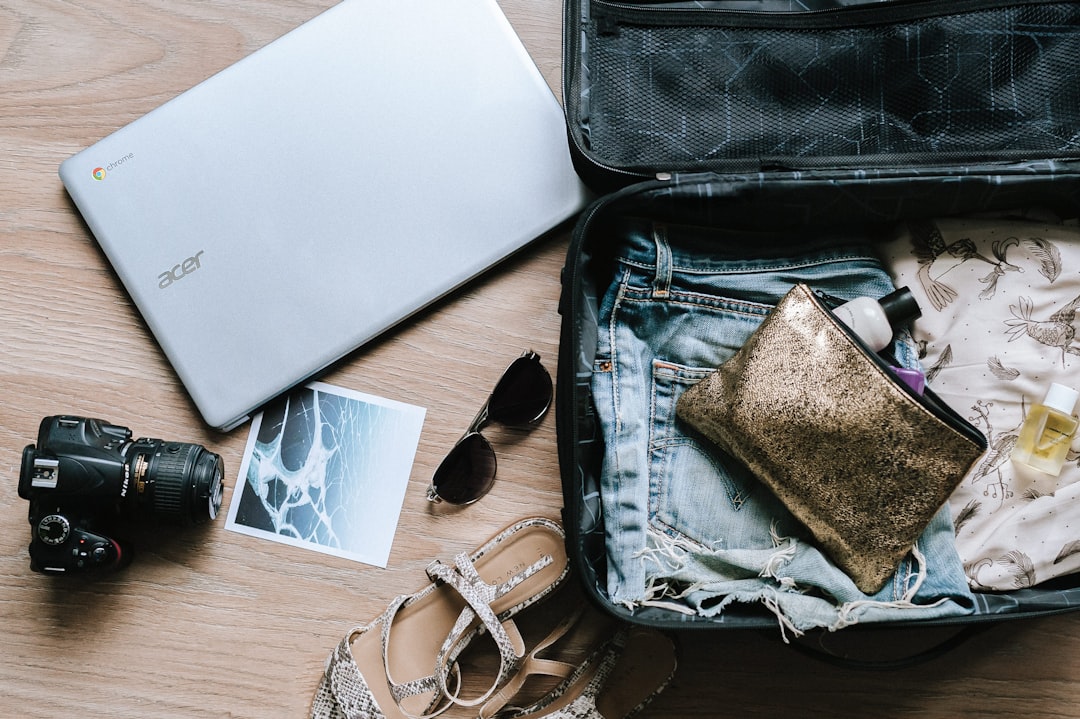
A practical everyday essentials kit is compact enough to live in your bag, locker or car and modular so you can pull specific pieces when needed. It includes: one organized bag for tech and documents, a small toiletry kit, a clothes/packing module (for one-change scenarios), basic first-aid/repair items, and a few consumables (snacks, hygiene, power). The goal is readiness for predictable disruptions—delayed transit, sweaty commute, unexpected overnight, or a booked meeting—without carrying excess weight every day.
Choose a container system first
Pick containers that match how often you’ll travel and where you’ll store the kit. If the kit lives in a work locker or car, choose a medium toiletry bag and a small packing cube. If it lives in your daily tote, opt for a thin tech organizer and a slim toiletry pouch. Keep items grouped so you can transfer only what you need.
- For travel-flexible users: a 2–3 piece modular set—one packing cube (clothes), one toiletry bag, one zippered tech pouch.
- For daily commuters: a compact tech wallet and slim toiletry bag sized to fit your everyday bag.
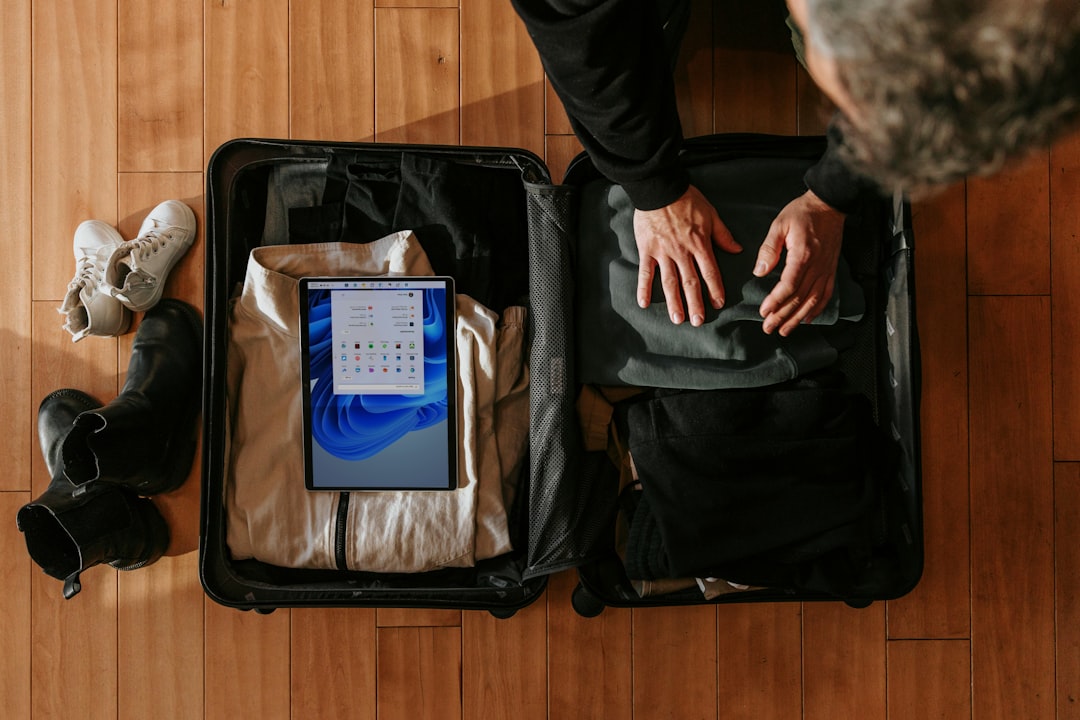
- If you want maximum compression: use a compression packing cube for the clothing module to save space in a suitcase.
Pack the essentials by function (what to include)
Organize items into functional groups so you can quickly assess and replenish them.
1. Clothing & wardrobe fixes
- One packable change: simple tee or blouse and underwear—use a small packing cube or compressible pouch.
- Neutral scarf or lightweight blazer—works for warmth or quick dressing-up.
- Mini sewing kit with a few safety pins and spare shirt button.
2. Toiletry and hygiene
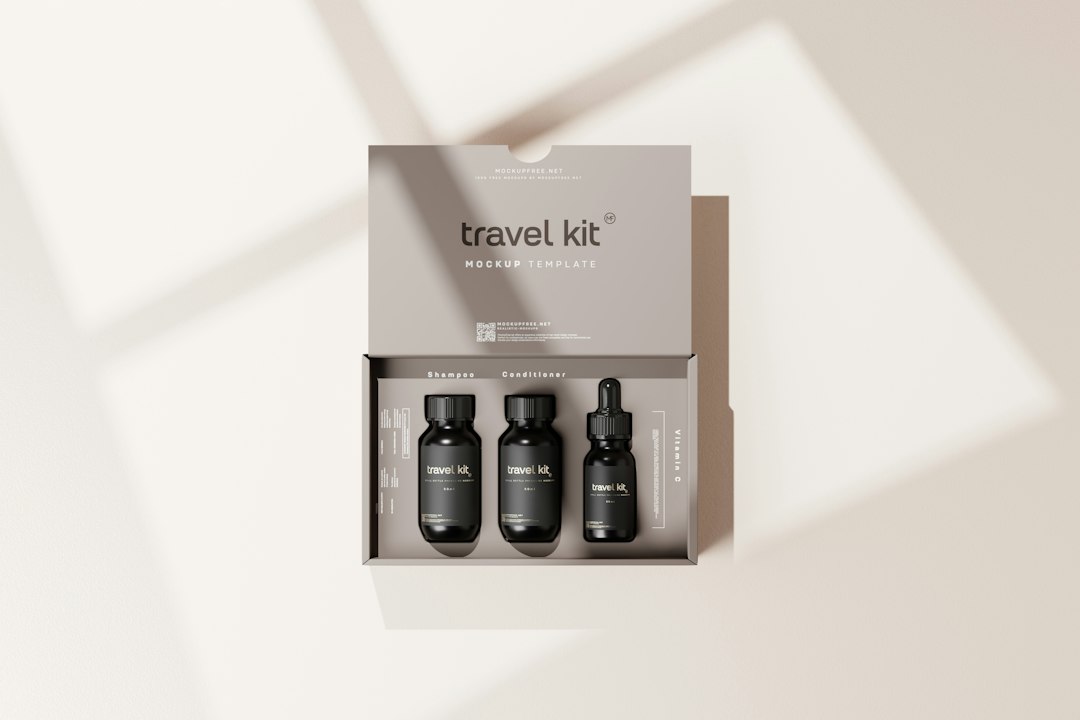
- Travel toothbrush, small toothpaste, deodorant, a 2–3 oz multi-use cleanser or wipes.
- Compact razor, tiny moisturizer, and spare contact case or glasses cleaner if needed.
- Keep liquids in leak-proof travel bottles; place them in a zip-top inside the pouch.
3. Tech, power and organization
- Portable charger (10,000 mAh is a good balance), one short USB-C/Lightning cable, and a compact wall plug if you travel overnight.
- Small tech organizer with pen, sticky notes, a slim notebook, and a universal adapter only if you frequently cross borders.
- Protective sleeve or slim document wallet for work papers and ID cards.
4. First-aid, safety and quick repairs
- Basic first-aid: adhesive bandages, antiseptic wipes, one or two common pain relievers in original packaging.
- Multipurpose tool (compact) and a small roll of duct or gaffer tape for quick fixes.
5. Consumables and extras
- High-protein snack bar and a folded reusable tote (for unexpected shopping or damp items).
- Disposable face masks, a small packet of tissues, and hand sanitizer.
One recommended product to simplify setup
If you want a single, well-rated organizer to start with, a compression packing cube is the most versatile piece: it stores a spare outfit compactly and can sit in a locker or suitcase until needed.
How to arrange the kit for daily use vs. travel
Don’t assemble one static kit for all contexts—create two quick modes.
- Daily mode: keep only the slim tech pouch and slim toiletry bag in your everyday tote. Leave the clothing packing cube in your locker or car.
- Travel-ready mode: transfer the packing cube and full power kit into your travel bag; keep consumables and first-aid consolidated so they’re not duplicated.
Maintenance: how to keep the kit actually useful
Set a 10-minute monthly check: replace consumed items, wipe surfaces, top up the charger, and launder the clothing module after use. Use a small inventory note inside the main pouch so you can see at a glance when something is missing.
Troubleshooting common trade-offs
If weight is the worry: prioritize power + hygiene + one clothing change and leave nonessential extras at home. If space is the issue: choose high-efficiency items (combo shampoo/conditioner, multi-tool). If you want to reduce duplicate items across home and kit, accept that some items must remain in the kit to avoid last-minute forgetfulness.
Where to store each piece so it’s available when you need it
- Daily tote: tech pouch + slim toiletry bag.
- Work locker/office drawer: packing cube with spare outfit, full-size toiletry bag.
- Car trunk: a weatherproof kit with snacks, first-aid and an extra power bank.
- Choose modular containers (tech pouch, toiletry bag, packing cube) that fit your storage spots.
- Pack items by function: clothing, hygiene, tech, first-aid, consumables.
- Design two modes—daily and travel—and practice transferring modules once.
- Perform a quick 10-minute monthly inventory and replenish used items.
- Store one full kit at work or in your car and a slim kit in your daily bag to avoid duplicates.
Keep the kit simple, modular and checked regularly. Focus on the few items that solve the most common disruptions—power, hygiene, a spare outfit, and basic repairs—then store modules where you’ll actually use them.
How large should my everyday essentials kit be?
Make it small enough to fit your everyday bag without crowding—typically one slim tech pouch and a small toiletry bag; keep a medium packing cube elsewhere for overnight needs.
What’s the must-have tech item?
A compact power bank (around 10,000 mAh) and one short charging cable cover most scenarios without adding bulk.
Can I keep medications in the kit?
Yes—store in original packaging with dosage instructions and replace them regularly; for prescription meds, carry a copy of the prescription if you travel internationally.
How often should I update the kit?
Quick monthly checks are ideal; after any use, restock immediately so the kit is ready next time.
How do I avoid carrying duplicates?
Designate one “home base” for the full kit (locker or car) and keep only essentials in your daily bag; transfer modules when travel is planned.