Wishlist
Quick answer: pick one clear focal accessory and adjust scale, color, or proportion around it.
Accessory tips work because one deliberate piece—an oversized necklace, a bold belt, a bright bag or a patterned scarf—gives the eye somewhere to land. From there, small changes (scale, layering, or placement) shift the perceived style of the entire outfit without replacing clothing. Below are practical, mix-and-match tips that deliver fast, visible results.
Choose a single focal piece, then support it
Decide whether your outfit’s star is jewelry, a belt, a bag, shoes or a scarf. If it’s a statement necklace, keep other jewelry minimal (small studs, a thin ring). If the bag is the hero — for example, a vivid color — mute other accents and let the bag’s hue repeat subtly (nail polish, a scarf edge or shoe trim).
Why this works
Human vision prefers a dominant element. A clear focal accessory creates intentionality: casual items read chic, and plain basics read expensive.
Balance scale: pair big with small
Match large accessories with finer ones. If you wear a chunky bracelet, swap a layered necklace for a single pendant or wear minimal earrings. Conversely, with delicate layered necklaces, choose sleeker shoes and a refined bag to avoid visual overcrowding.
Use belts to change silhouette and mood
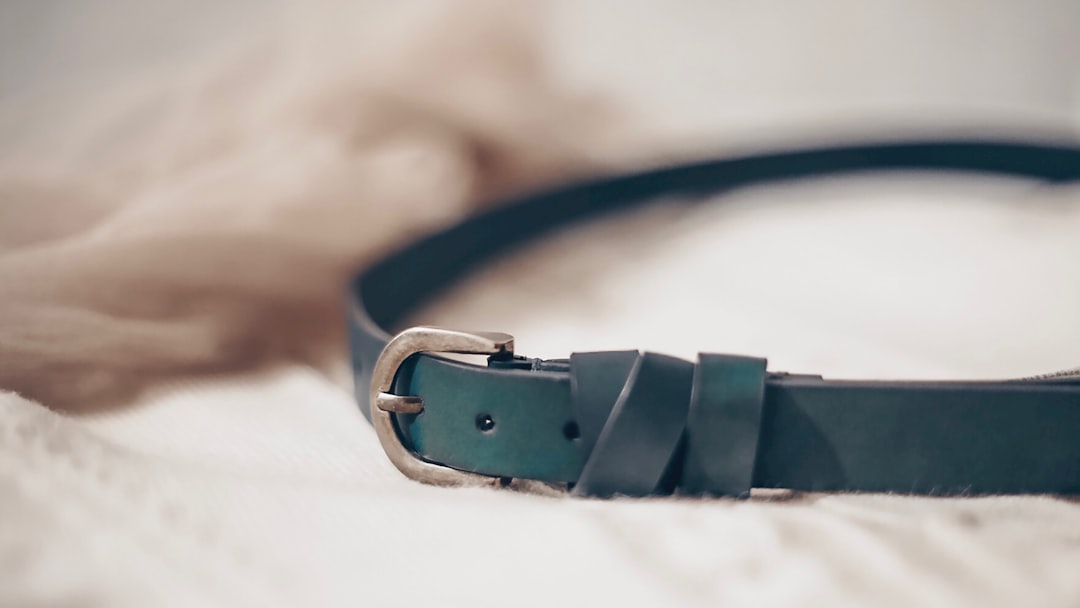
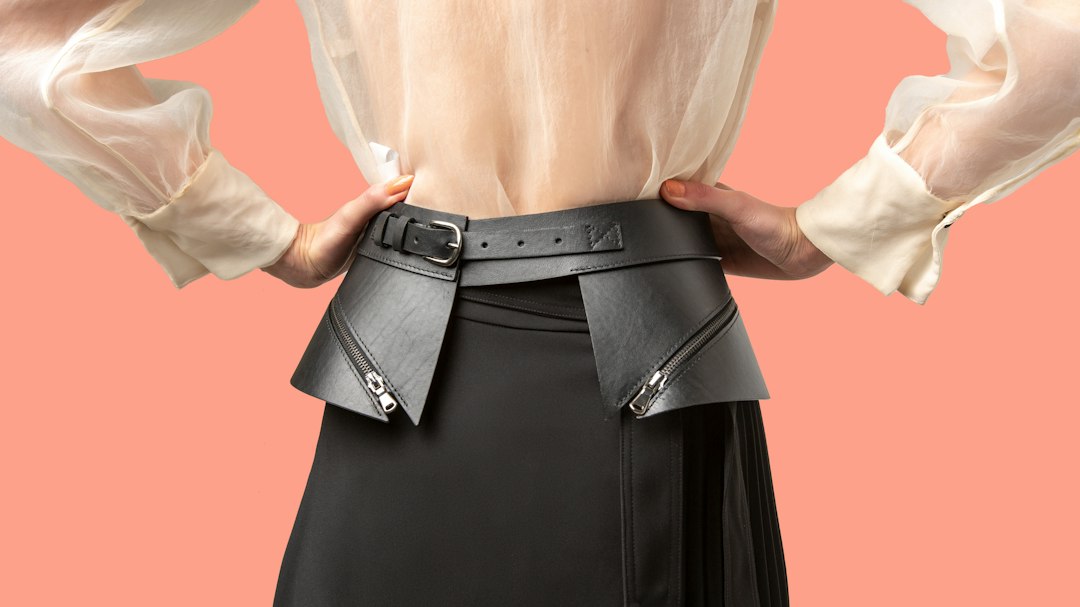
Belt placement can transform proportions: cinch a long blazer at the waist for structure, wear a thin belt low on a dress to lengthen the torso, or use a wide belt over a bulky sweater to create shape. Switching belt color (black for contrast, tan for warmth, metallic for evening) alters the outfit’s formality.
Layer jewelry thoughtfully
Layering should show clear intention. Start with a base piece (a short chain or choker), add a mid-length chain, then top with a pendant that hits lower on the chest. Keep metal tones consistent or choose one mixed-metal accent to avoid looking cluttered. For rings, mix one statement ring with a couple of thin bands.
[hAZAM_TAKEAWAY]One focal choice plus smart balancing lets accessories rewrite an outfit faster than buying new clothes.
[/hAZAM_TAKEAWAY]Change the outfit’s season and tone with shoes and bags
Work shoes and bags as mood switches. Swap white sneakers for loafers to make a casual dress office-appropriate; trade a neutral tote for a compact crossbody to look more polished on date night. Matching the shoe and bag in color or texture (matte leather with matte leather) makes an outfit feel curated.
Scarves: small knots, big effect
Silk scarves are a low-cost way to change style: tie one as a neck knot to add vintage polish, loop it through a bag handle for color, or use it as a hair wrap to make a basic tee feel styled. For printed scarves, pick one color from the print and repeat it elsewhere (belt, lip color, or shoes) to pull the look together.
Play with texture and contrast
Mixing textures—glossy patent with matte knits, hammered metal with silk—gives dimension. For daytime, pair smoother textures with relaxed clothing; for evening, add one high-shine piece (metal clutch, patent shoes) to elevate simple fabrics like cotton or jersey.
Use color intentionally: accents, anchors and repeats
Pick one accent color and repeat it 1–3 times around the outfit. For example: red shoes, matching lip color, and a thin red bracelet. Alternatively, use a neutral “anchor” (black, tan, navy) for larger accessories while allowing one small bright piece to pop.
Practical quick wins: five small switches to try now
- Swap regular studs for small hoops to make an office look more relaxed.
- Add a thin waist belt to an oversized shirt to make it wearable as a dress.
- Layer two necklaces instead of one chunky piece to lengthen the torso visually.
- Tuck a silk scarf under a blazer lapel for a built-in pocket square effect.
- Change out daytime tote for a structured mini bag to sharpen a casual outfit.
When to keep accessories minimal
Let clothes speak when the garment is detailed—beaded, sequined or heavily printed outfits usually need only one subtle accessory to avoid competing focal points.
Recommended product: a versatile finishing piece
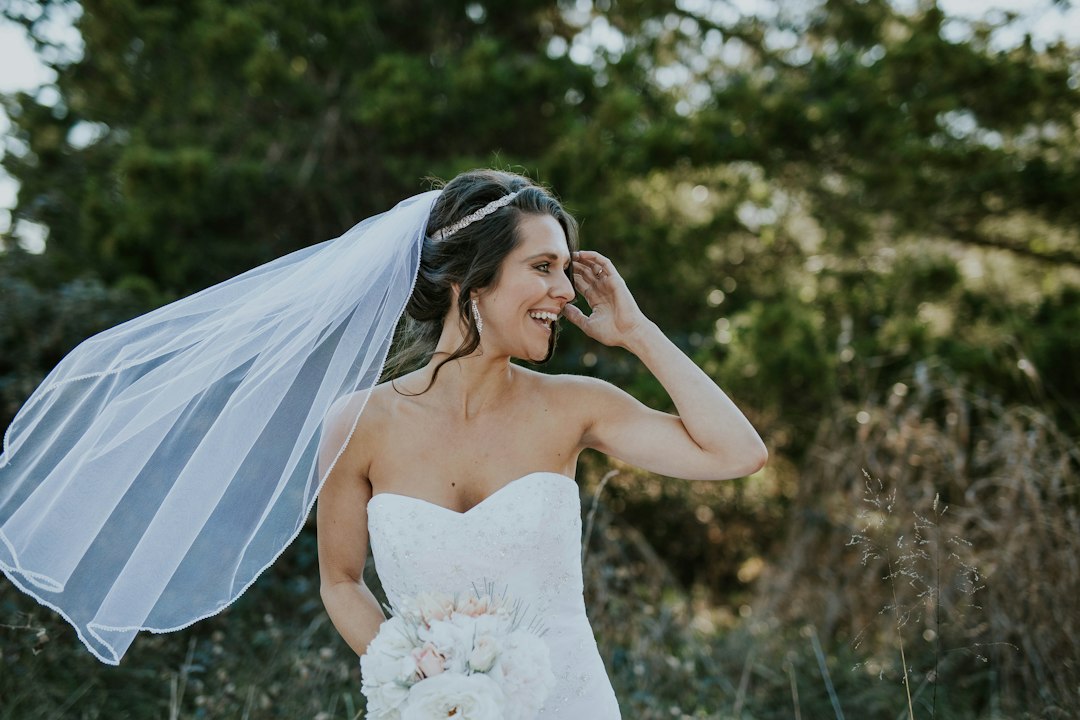
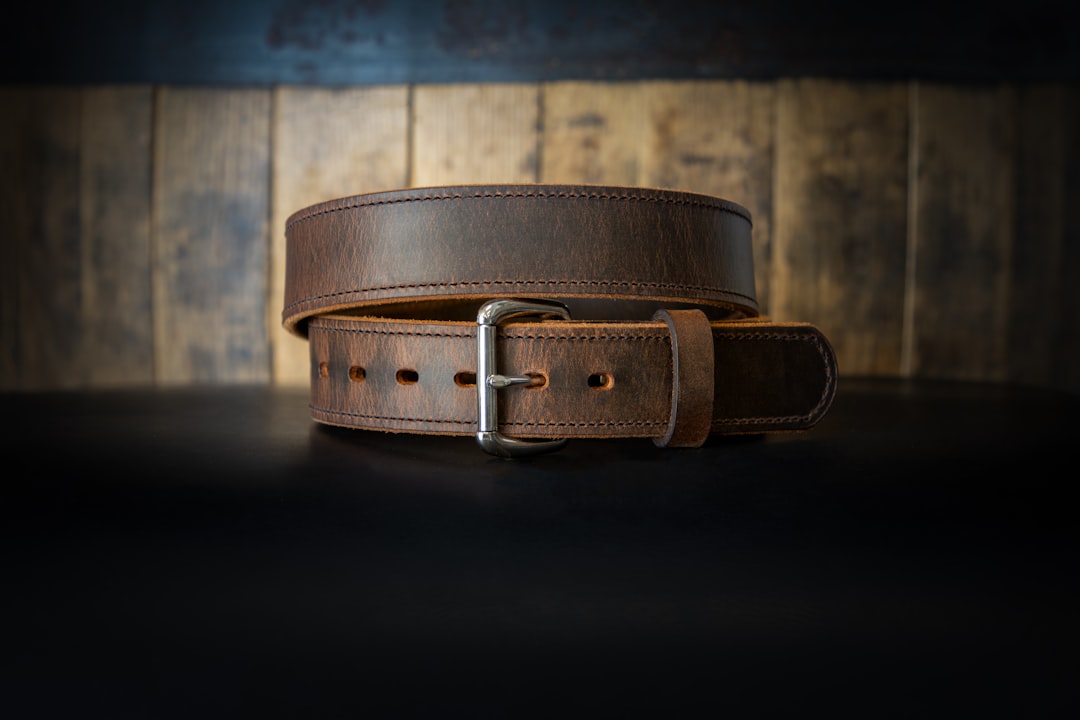
If you want one item that makes many outfits feel intentional, choose an accessory designed to be a focal point for celebrations or refined looks—like a bridal veil or statement hair piece for special events, or a versatile sash/belt for daily shape changes. For an option that fits multiple uses (bridal, party, formal), consider a refined bridal accessory from the store catalog.
Styling examples that illustrate the change
Plain white tee + jeans: add a chunky gold chain and swap sneakers for loafers to move from casual to smart-casual. Midi dress: cinch with a contrasting belt and add ankle boots to make it day-to-night. Monochrome outfit: introduce a patterned scarf tied at the neck to break uniformity and add visual interest.
- Is there one clear focal accessory?
- Do sizes (big/small) and textures balance across the outfit?
- Have you repeated a color at least once for cohesion?
- Does any garment detail require scaled-back accessories?
- Could a belt or scarf change the silhouette quickly?
Pick one accessory as the star and adjust scale, color repeats, and texture around it. Small swaps—belt, scarf, shoes, or a single statement piece—have outsized effects and let you refresh looks without a full wardrobe change.
How many accessories should I wear at once?
A simple rule is one focal accessory plus two supportive pieces (for example, a statement necklace with small studs and a thin bracelet). Adjust down if your clothing is already detailed.
Can mixed metals look intentional?
Yes—mixing two metals works best when one dominates and the other is used as a small accent, or when a single mixed-metal piece ties the look together.
Will a belt work on every body type?
Yes, but placement matters: higher-waist belts lengthen legs; low-slung belts can shorten the torso. Choose width based on garment weight—wide belts for bulky fabrics, thin for light ones.
How do I make accessories look expensive?
Keep designs simple, prioritize good proportion and consistent metal/finish, and avoid visible branding or flimsy details; a single high-quality piece makes more impact than many cheap items.