Wishlist

What really matters — and what you can safely ignore for now
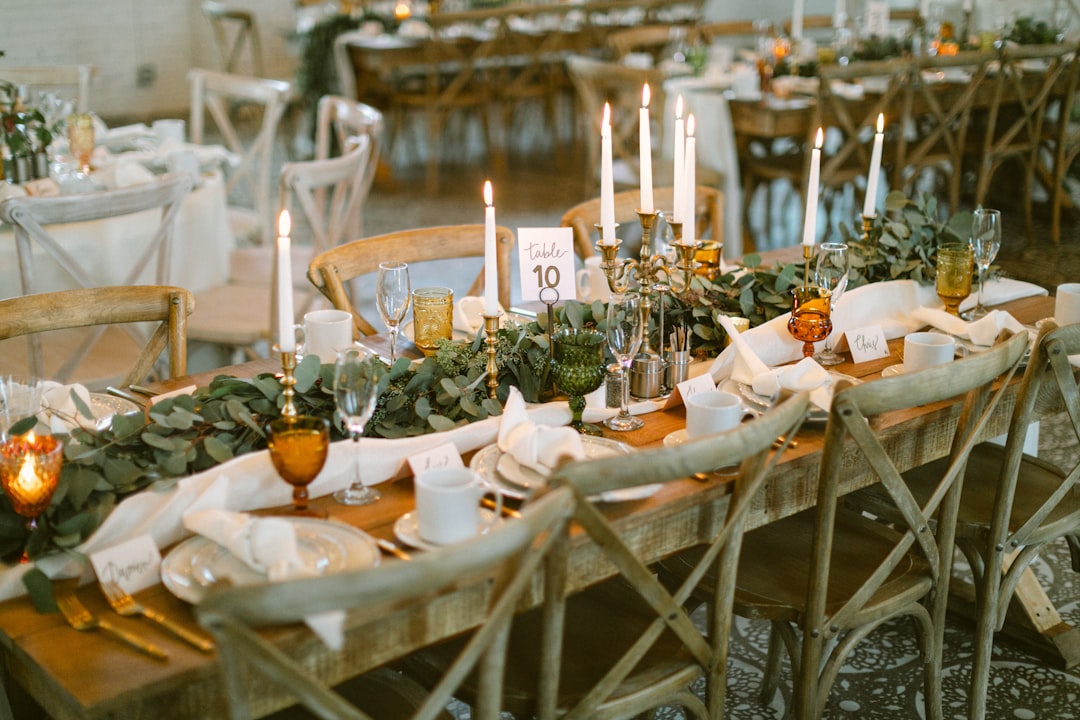
Start by deciding the two things that will shape every other choice: your rough budget and the guest list size. Everything from the venue to invitations flows from those. Ignore aesthetic details (centerpieces, color palettes, table numbers) and secondary extras (welcome bags, elaborate signage) until you’ve secured budget, date and venue—those are the anchors.
Quick organizing wins you can do in a single weekend
- Set a working budget range (low–mid–high) rather than trying to allocate every dollar. This keeps decisions flexible and reduces analysis paralysis.
- Create a provisional guest list with three columns: must-invite, want-to-invite, and optional. Use this to estimate headcount before you book anything.
- Pick three preferred dates or at least a season—this speeds venue searches and vendor availability checks.
- Choose who needs to be involved in decisions (partner, parents, wedding party) and how final decisions will be made.
Priority tasks you should organize first
These are the planning moves that most often block or unlock everything else.
1. Confirm budget ownership and contributions
Clarify who is contributing and roughly how much. If parents or others are contributing, ask whether funds are earmarked for specific items (attire, venue, catering). Put agreed totals in writing to avoid surprises later.
2. Finalize the guest count approach
Decide whether guest numbers are flexible or fixed. A flexible approach lets you prioritize close family and increase invites if budget allows; a fixed cap forces trade-offs early. Use your provisional list to produce an estimated headcount that you can share with venues.
3. Book the venue and lock the date
The venue determines available dates, capacity and in-house vendor rules. When you find a venue that fits your headcount and budget, reserve it first—even if you haven’t chosen catering or photography yet. Paying a modest deposit to hold a date prevents losing your preferred season or weekend.
4. Hire the photographer and caterer (or confirm in-house options)
Photographers and caterers often book up quickly—many couples hire them within months of booking a venue. Get sample contracts, confirm exact deliverables (hours, number of photographers, tasting policy) and hold them with a deposit once terms are clear.
5. Reserve key rentals and vendors (officiant, music, florist)
Decide what you genuinely need: a ceremony musician versus a playlist, full floral design versus simple bouquets. Book vendors who must travel or have limited schedules first (notably musicians, officiants, and florists for busy seasons).
Where a planner, a notebook or a single tool really helps
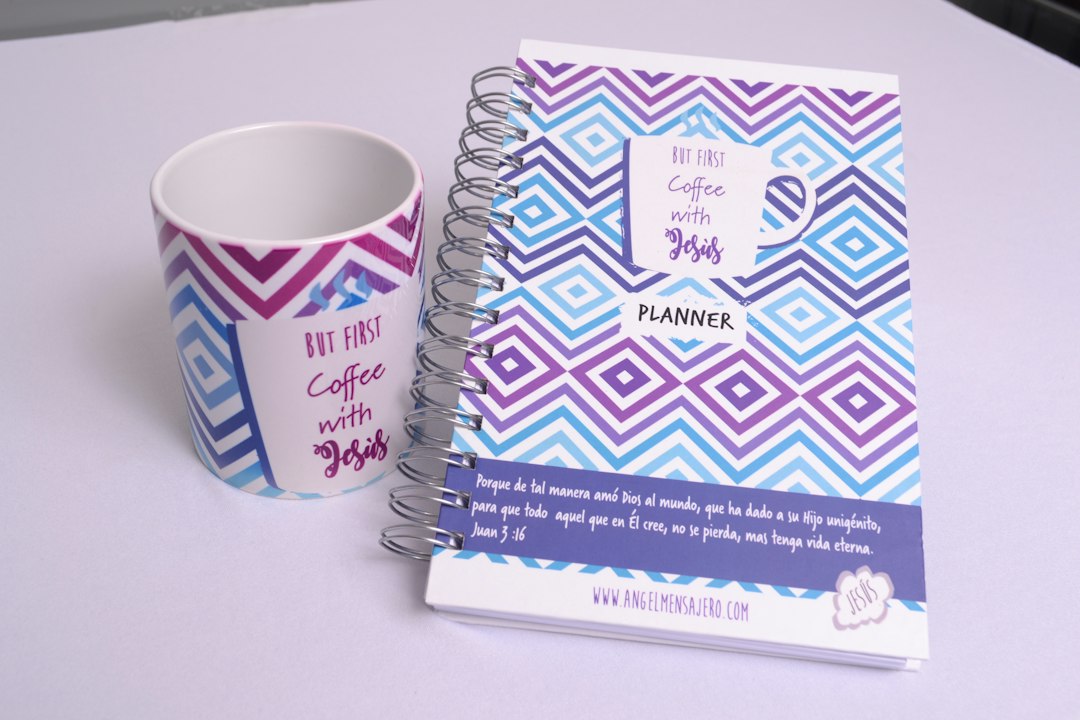
Having a single organizer—digital or physical—stops duplicate lists and forgotten tasks. A dedicated wedding planner book or an easy spreadsheet with tabs for budget, guests, vendors, and timelines keeps everything in one place. If you prefer paper, choose a planner with budget and vendor contract sections to store receipts and notes.
This planner book is useful when you need printable vendor pages, timeline templates and a place to keep contracts; it’s the practical option between digital chaos and sticky notes.
Scheduling and timelines: who to book when
- Now (as soon as budget and guest list estimate are clear): Venue, photographer, caterer.
- 3–9 months before: Florist, band/DJ, officiant, videographer, hair/makeup for trials.
- 2–4 months before: Invitations, rentals (tables/chairs/linens), transportation.
- 1 month before: Final guest count, seating chart, vendor confirmations, marriage license.
Common trade-offs and when to compromise
Prioritize what guests will notice most: food, photos, timing. If the budget is tight, reduce décor spend and allocate more to catering or photography. If you must cut guest count, consider a smaller venue to keep energy high and cost per head lower.

Practical checks before signing any contract
- Deposit amount and payment schedule—avoid large final payments due very close to the date.
- Cancellation and refund policy—know the timeline and penalties.
- Overtime fees and exact hours of service—clarify how additional time is billed.
- Insurance and permits—who is responsible for event insurance, and does the venue require permits?
Small but effective organizational systems to adopt now
- Use a shared online spreadsheet for the guest list that tracks RSVPs, meal choices and contact details. - Create a folder (digital or physical) labeled “Contracts & Receipts” and file every signed agreement and payment receipt immediately. - Block “planning hours” weekly—30–60 minutes to answer emails, checklists and vendor follow-ups so decisions don’t pile up.
[h2]Making vendor decisions with less stress[/h2]When choosing between similar vendors, ask for a short “best-case” and “worst-case” scenario: what they will do if a key supplier cancels, or how they handle unexpected schedule changes. Prioritize vendors who communicate clearly and whose style you trust; a calmer, reliable vendor is often worth a modest price premium.
- Agree on a working budget and document who pays what.
- Create a provisional guest list to estimate headcount.
- Reserve your venue and lock the date with a deposit.
- Hire photographer and caterer or confirm in-house services.
- Store signed contracts and receipts in one place.
Start by agreeing the budget and a provisional guest count, then secure the venue and core vendors. Delay aesthetic choices until these anchors are set—this reduces stress and keeps costs under control.
How soon should I book a venue after getting engaged?
Book a venue as soon as you have a clear guest estimate and budget—popular venues can book 12–18 months out for peak seasons.
Can I plan a wedding without a planner?
Yes. Use a single organizer (planner book or spreadsheet), prioritize venue, vendor booking and guest counts, and set weekly planning sessions to stay on track.
What’s the easiest cost to cut if my budget is tight?
Reduce décor and printed materials, limit the bar package, or trim the guest list; reallocating to food and photography preserves guest experience and memories.
When should I send invitations?
Mail formal invitations 8–10 weeks before the wedding, earlier for destination weddings (12+ weeks). Send save-the-dates as soon as your venue and date are confirmed.