Wishlist
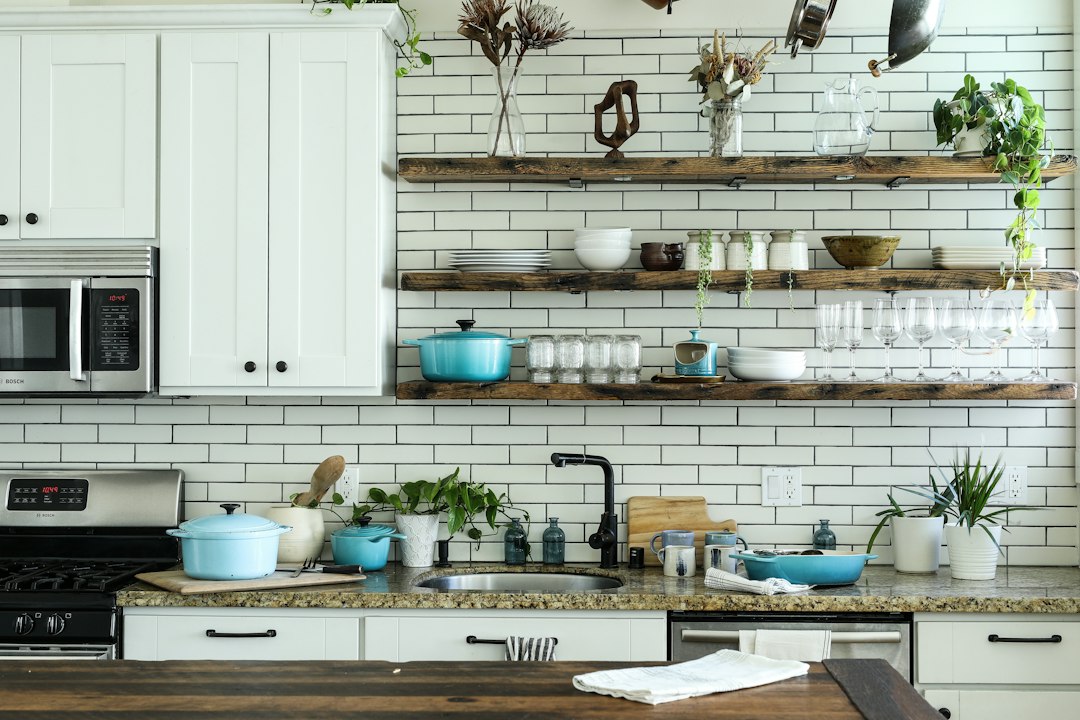
Start with the result you want: an airy, usable small kitchen
Organize a small kitchen so it feels open and functional rather than crowded. That means keeping counters clear of nonessential items, storing similar things together, and using shallow or vertical storage so sightlines and work space stay open. You can ignore perfect matching sets, every decorative jar, and the urge to keep multiples "just in case"—those choices create visual clutter more than they add value.

Plan by zones: where you cook, prep, clean and store
Walk through a typical task—making coffee, chopping vegetables, washing up—and map where tools and ingredients should live. Assign compact zones: coffee & breakfast, daily dishes & prep, cooking & spices, and cleaning. When each zone contains only what’s actually used there, you reduce trips and the pileup of items on counters.
Declutter fast: decisions that clear space
- Empty one drawer or cabinet at a time and sort into keep, donate, trash. Be ruthless about duplicates: do you really need three citrus juicers?
- Keep only the items you use weekly in the kitchen; seasonals can live elsewhere. If you haven’t used it in 12 months, box it for donation.
- Group keeps into function-based piles—baking, daily dishes, serving—so storage choices follow use, not sentiment.
Choose the right storage types for small kitchens
Shallow depth and vertical organization preserve space and sightlines. Favor these options:
- Drawer organizers and shallow trays for utensils and tools—prevent digging and keep counters empty.
- Clear stackable bins for cabinet shelves so you can pull out a group instead of removing everything.
- Wall or door-mounted racks for spices, lids and cutting boards to reclaim shelf space.
- Open shelving sparingly—use narrow shelves to display the dishes you use often and keep them uniform to avoid visual clutter.
Product fit: one compact drawer organizer worth trying
If your drawers are shallow or crowded, a tall yet slim bamboo divider can make them feel twice as organized without taking counter or cabinet real estate. It’s ideal for separating utensils, gadgets and small tools while fitting in narrow drawer depths common in small kitchens.
[h3 note="Placement and balance"]Place the most-used items in the topmost accessible drawers or open shelf; reserve lower or harder-to-reach space for infrequent items like seasonal bakeware.

Keep counters visually light and truly useful
Decide which three items belong on the counter—coffee maker, dish soap, and a fruit bowl are common choices—and relocate everything else. Use horizontal trays or shallow baskets to group those items so they read as one conscious object rather than a jumble. Free countertop space isn’t just practical; it makes the room feel larger.
Use vertical surfaces and under-sink wisely
Mount a magnetic knife strip or slim rail for utensils and small pans; this frees drawers and keeps surfaces clear. For cleaning supplies, an under-sink pull-out or caddy keeps bottles and sponges hidden but accessible. If shelving space is tight, hang pots on a short rack—one or two visible pieces add character without crowding the room.
Make cabinets work harder with simple conversions
Within cabinets, add inexpensive risers to double plate storage or tension rods to store lids vertically. Use clear bins to corral snacks or baking supplies so you can pull the container out instead of digging. Nest mixing bowls and stackable cookware to minimize footprint.
Keep small appliances from eating your kitchen
Limit countertop appliances to what you use at least several times a week. Store specialty appliances in a labeled bin or high cabinet; when you need them, they’re easy to fetch. For frequently used items, choose slim designs that tuck against a backsplash or slip into a dedicated appliance cabinet.
Troubleshooting common small-kitchen problems
- Still feels crowded after decluttering: Reduce visible variety—store mismatched containers behind a door and keep a uniform set for daily use.
- Drawers become junk catchers: Revisit organizers and add labels; if necessary, remove one drawer’s contents and distribute them to more appropriate zones.
- No shelf space for spices: Use a slim wall-mounted rack or a turntable inside a cabinet door for fast access without taking shelf depth.
Adapting solutions for renters or temporary kitchens
Use removable hooks, over-the-door organizers and freestanding narrow shelving that won’t damage walls. Magnetic strips and adhesive rails can be removed later but provide the same vertical relief as built-in options.
When to invest in a bigger change
Consider a minor remodel—add a shallow open shelf, swap a swinging cabinet for a pull-out, or install an under-shelf pull-out—if constant lack of storage affects daily use. Small structural changes often return more in usability than buying more containers.
- Clear one countertop and keep only 2–3 daily items there.
- Empty one drawer, sort, and add a bamboo or modular organizer.
- Install one vertical solution: magnetic strip, rail, or over-door rack.
- Group like items into clear bins so cabinets pull out cleanly.
- Store specialty appliances off-counter and label the box or shelf.
Organize a small kitchen by prioritizing weekly use, creating compact zones, and choosing shallow or vertical storage. Small investments—like a single, well-fitting drawer organizer and wall-mounted storage—go further than buying more containers.
How many items should I keep on my countertop?
Keep 2–4 functional items max—things you use daily. Group them on a tray to reduce visual clutter.
Are clear plastic bins worth it in small cabinets?
Yes—clear bins let you pull out a group and see contents at a glance, cutting down on time and accidental clutter.
Can open shelving work in a tiny kitchen?
Yes, if you limit what's displayed and use uniform dishes; open shelves show fewer items and can make the room feel larger than closed, overcrowded cabinets.
How do I decide which appliance to store away?
Ask how often you use it: move anything used less than once a week to a cabinet or storage outside the kitchen.